
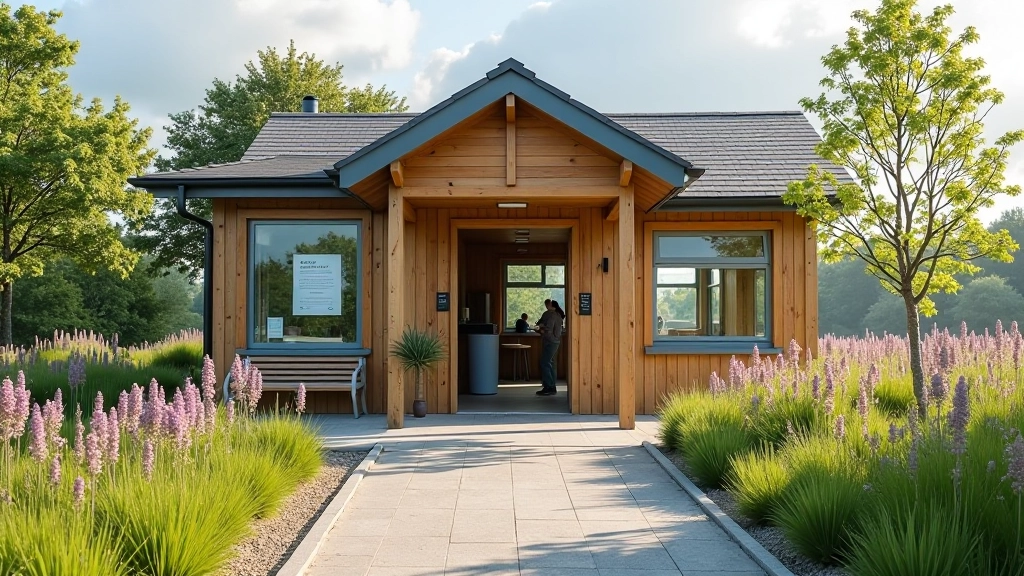
Walking Routes for Retirees
Gentle paths suited to different fitness levels. Routes range from easy 30-minute loops to longer explorations. All with good surfaces and rest spots.

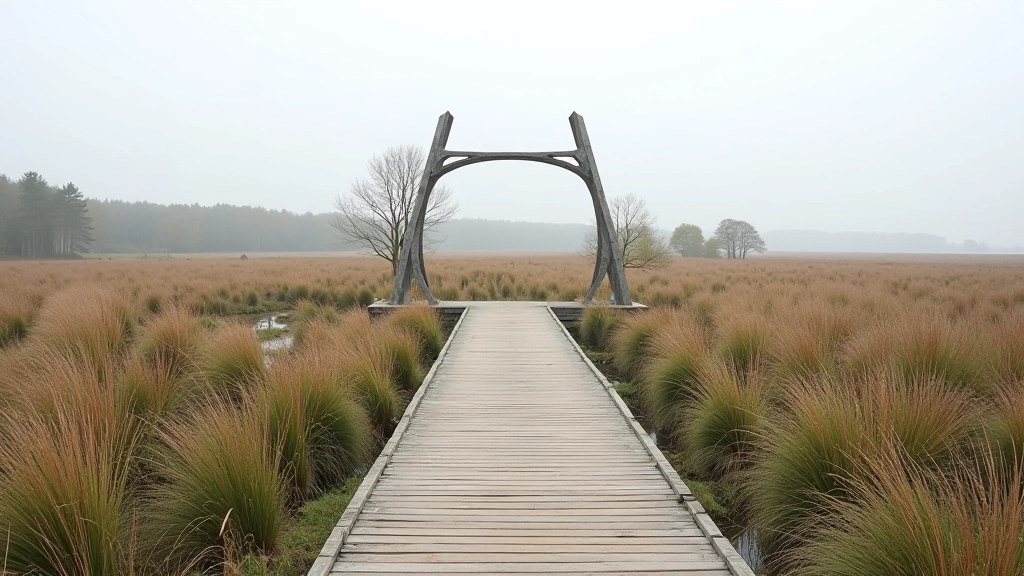
There's something special about discovering Lough Boora at your own pace. Whether you've got an hour or an afternoon, there's a route here that fits perfectly. The boardwalk isn't just accessible — it's genuinely enjoyable, with views that change with each season.
We've mapped out five different walking routes, all starting from the main visitor area. Each one's clearly marked, properly maintained, and designed with comfort in mind. No steep hills. No rough patches. Just good surfaces, regular benches, and plenty of places to stop and breathe.
Five Routes, Different Paces
1
The Loop
30 minutes. The shortest route, perfect if you're easing back into walking or have limited time. Flat boardwalk, mostly shaded, one bench at the midpoint. This is where most people start — and many come back to it regularly just for the calm of it.
1.2 km
Wetland
2
Birch Grove Extension
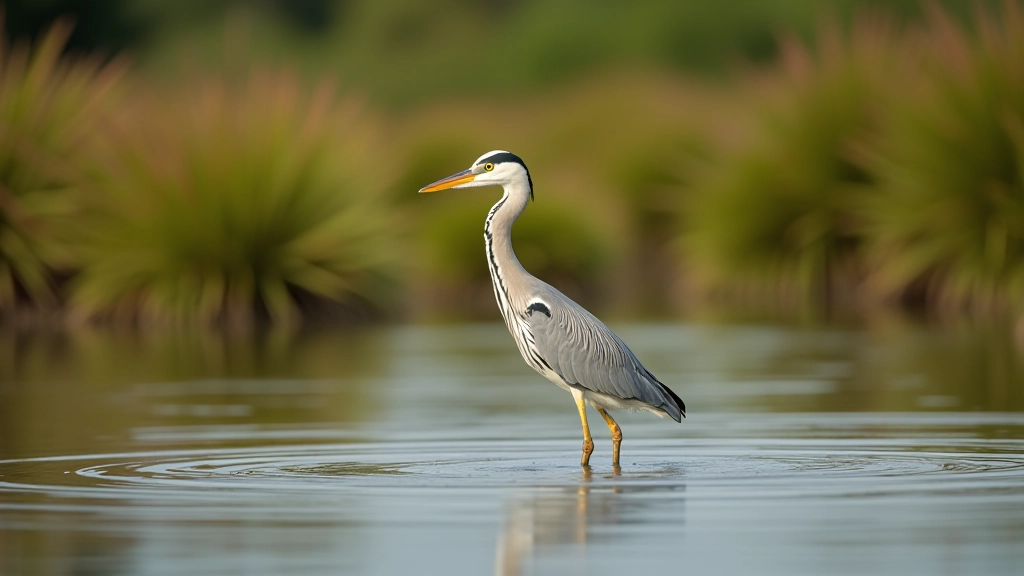
45 minutes. Takes the main loop and adds a branch through the birch trees. More views, better light in afternoon, and you'll actually see birds here — herons, grebes, sometimes rarer species depending on season. Three benches along this one.
2.1 km
Wildlife
3
Sculpture Trail
50 minutes. Walk past contemporary art installations scattered through the bog. Each piece has a little information board. Makes you stop, think, look around differently. The boardwalk connects everything, so no scrambling through rough ground. Good for a slower pace.
2.3 km
Art
4
Full Circle
75 minutes. Combines the loop with both extensions. Gets you the full experience — water views, trees, sculptures, wildlife. It's not exhausting because there's no climbing, but you'll feel like you've actually been somewhere. Five benches total, strategically placed.
3.8 km
Complete
5
Visitor Centre Loop
60 minutes. Includes a stop at the visitor centre — grab coffee, use facilities, check out the exhibits about bog restoration. The route's designed so you can take your time without pressure. Rest areas, toilets, and real shelter if weather turns.
2.7 km
Facilities
Getting the Most From Your Walk
These routes work because they're designed around how people actually walk, not how fitness guides say they should. Here's what makes a real difference.
Go Early or Late
Morning light's best for seeing wildlife. Afternoons are quieter if you prefer solitude. Either way, avoid peak midday heat in summer.
Bring Water
There's nowhere to buy drinks on the boardwalk. A small bottle makes a difference, especially on longer routes or warm days.
Check the Forecast
Bog weather changes fast. A light jacket helps even when it looks sunny. Proper shoes matter — bog wind cuts through surprisingly.
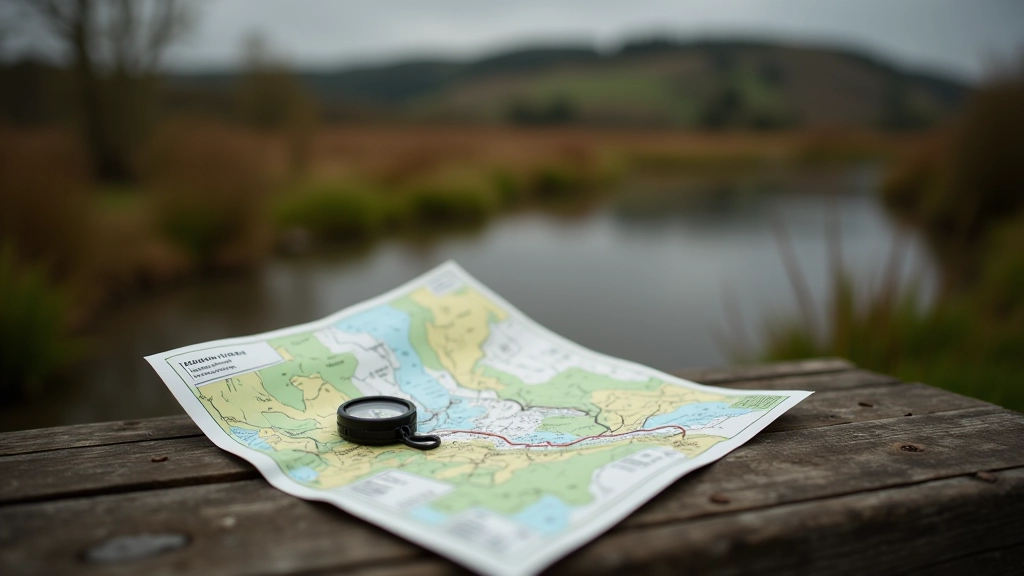
Grab a Map at the Gate
Routes are clearly marked, but a physical map removes any "am I on the right path?" doubt. Peace of mind is part of enjoying the walk.
Access & Facilities
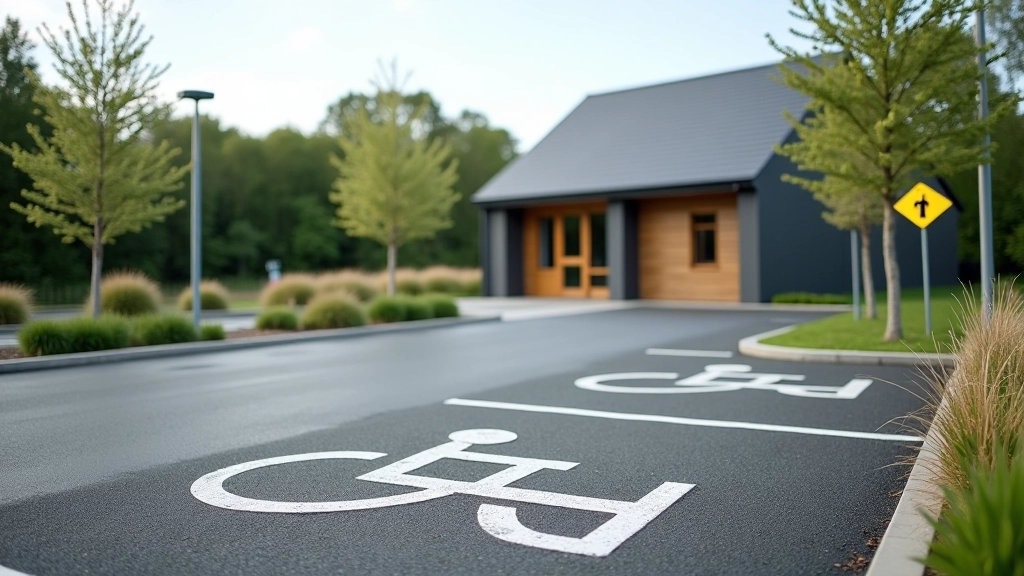
The whole point is that you can actually get here and walk comfortably. We're not exaggerating when we say accessible — it means proper parking, working toilets, benches that are actually useful, and surfaces that don't require you to be young and fit.
Parking
Large accessible car park. Spaces for disabled visitors. Flat walk from car to boardwalk entrance (about 50 metres).
Toilets
Located at visitor centre. Modern, clean, accessible facilities. Also portable toilets near the boardwalk entrance in busy seasons.
Benches
15+ benches spread across the routes. Positioned at viewpoints and natural rest spots. Sturdy ones — not the flimsy park variety.
Visitor Centre
Café, exhibitions, gift shop, and genuine shelter. Open April through September, weekends year-round. Real coffee, not terrible vending machine stuff.
Each Season Feels Different
The same route changes completely depending on when you visit. Spring's all new growth and returning birds. Summer's lush and full of insects you'll actually want to watch. Autumn brings colour and quietness. Winter's crisp and clear.
Spring
March through May. Boardwalk drains well after winter. Birdsong is constant. Vegetation's fresh. Ground nesting birds mean some areas are restricted (necessary, not annoying). Temperature's perfect for walking — not too hot, not freezing. Expect crowds on nice weekends.
Summer
June through August. Best wildlife watching — dragonflies, damselflies, water birds. Longest daylight means you can walk until evening. Heat can be intense, so earlier starts are smarter. Visitor centre's at full capacity. Midges possible — bug spray helps. Lush and green, genuinely beautiful.
Autumn
September through November. Colours shift. Crowds drop significantly. Water levels rise — boardwalk's designed for this but it looks more dramatic. Cool weather means comfortable pace. Shorter days mean earlier finish times. Genuinely peaceful.
Winter
December through February. Boardwalk's maintained but icy patches possible — check conditions before going. Frost creates amazing patterns. Visitor centre has reduced hours. Weather's the main variable. On clear days, stunning. On wet days, quite atmospheric. Quietest season.
Why People Come Back
"My wife and I weren't sure we could manage much anymore. Tried the 30-minute loop and felt fine. Next week we did the Birch Grove route. Now we're thinking about going every Saturday. It's not just the walk — it's that we can actually do it without pain or frustration."
"I came here because I needed to get moving again after surgery. Wasn't sure if I'd manage much. The sculptures give you something to think about that's not just "am I tired." Found myself doing the full circle route by week three. Changed how I feel about my recovery."
"The benches are genius. Doesn't feel like you're "resting because you're old" — you're just stopping to look at the view. Weather's changed what I'd walk, and I'm fine with that. Some weeks it's 30 minutes, some weeks it's longer. No judgment about it."

Read More From Bogland Boardwalk
Important Information
This article provides informational guidance about walking routes at Lough Boora. Routes and facilities may change due to seasonal conditions, maintenance, or weather. Always check current conditions before visiting — the visitor centre staff can provide up-to-date information about route accessibility and any temporary closures. If you have mobility concerns or health conditions, discuss your walking plans with your healthcare provider. Wear appropriate footwear and bring water. Weather in Ireland changes quickly — be prepared for wind and rain regardless of the forecast.